
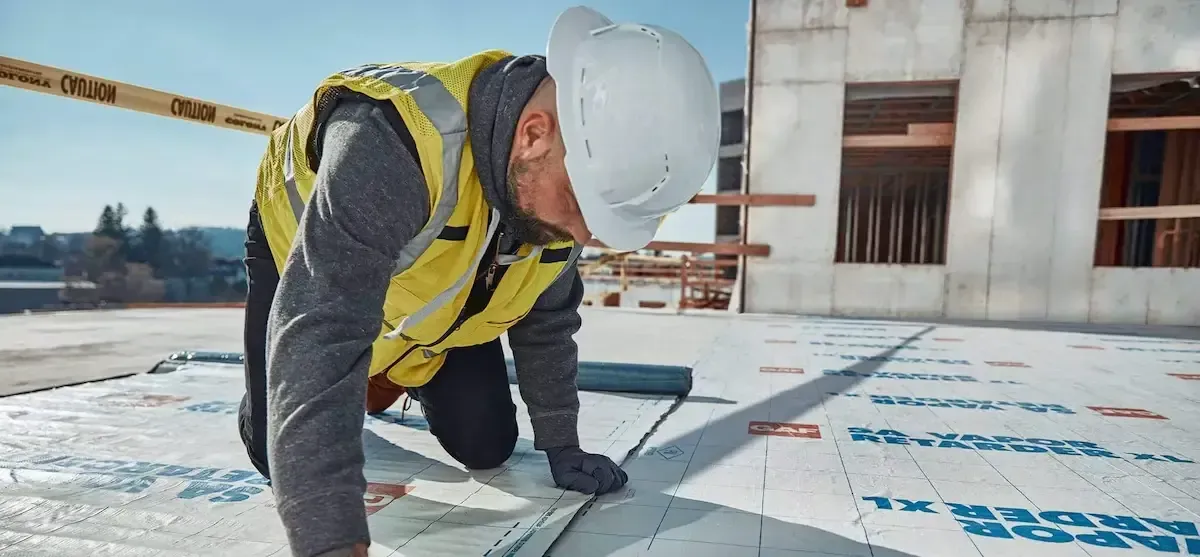
How to Choose a Commercial Roofing Contractor in Dallas-Fort Worth
Commercial roofing decisions move differently than residential ones. A property owner or facility manager evaluating a commercial roofing contractor in Dallas-Fort Worth is typically looking at a significant capital expenditure, coordinating around tenant schedules or business operations, and thinking about a roof system that needs to perform reliably for 20 years or more. The stakes are higher, the process is more deliberate, and the cost of choosing the wrong contractor compounds over time in ways that a residential roofing mistake typically does not.
The DFW commercial roofing market is large and competitive, with dozens of contractors operating across the metroplex. Some are highly qualified. Others are residential roofers who have expanded into commercial work without the specific training, equipment, or manufacturer relationships that commercial roofing requires. Knowing how to tell the difference before you sign a contract is the most valuable thing a property owner can do before a major roofing project begins.
This guide covers the specific criteria that matter most when evaluating a commercial roofing contractor in Dallas-Fort Worth, from certifications and warranty programs to local experience and the claims process for storm-damaged commercial properties. Red Phoenix Roofing serves commercial property owners across DFW and Ellis County, and every standard in this article is one we hold ourselves to.
Why Commercial Roofing Requires a Different Kind of Contractor
Commercial roofing is not the same trade as residential roofing, even though the two industries overlap significantly in a market like DFW. The differences run deeper than project scale.
Commercial roof systems, which commonly include TPO, EPDM, modified bitumen, built-up roofing, and metal panel systems, require different installation techniques, different safety protocols, and different equipment than residential asphalt shingle work. A contractor who excels at residential replacement is not automatically qualified to install a low-slope TPO membrane on a commercial building.
Commercial projects also involve a different set of stakeholders. Property managers, building owners, tenants, and in some cases lenders all have interests in the outcome. The contractor managing a commercial project needs to communicate clearly across that group, coordinate work schedules around occupied buildings, and produce documentation that satisfies not just the owner but the insurer and potentially a building inspector as well.
Finally, the warranty and liability stakes on a commercial project are substantially higher. A failed commercial roof can disrupt business operations, damage inventory, void tenant leases, and trigger insurance claims that affect a property's insurability. The contractor you hire is taking on responsibility for a system that protects a significant asset. That responsibility requires specific qualifications.
What to Look for in a DFW Commercial Roofing Contractor
1. Manufacturer Certification at the Highest Level
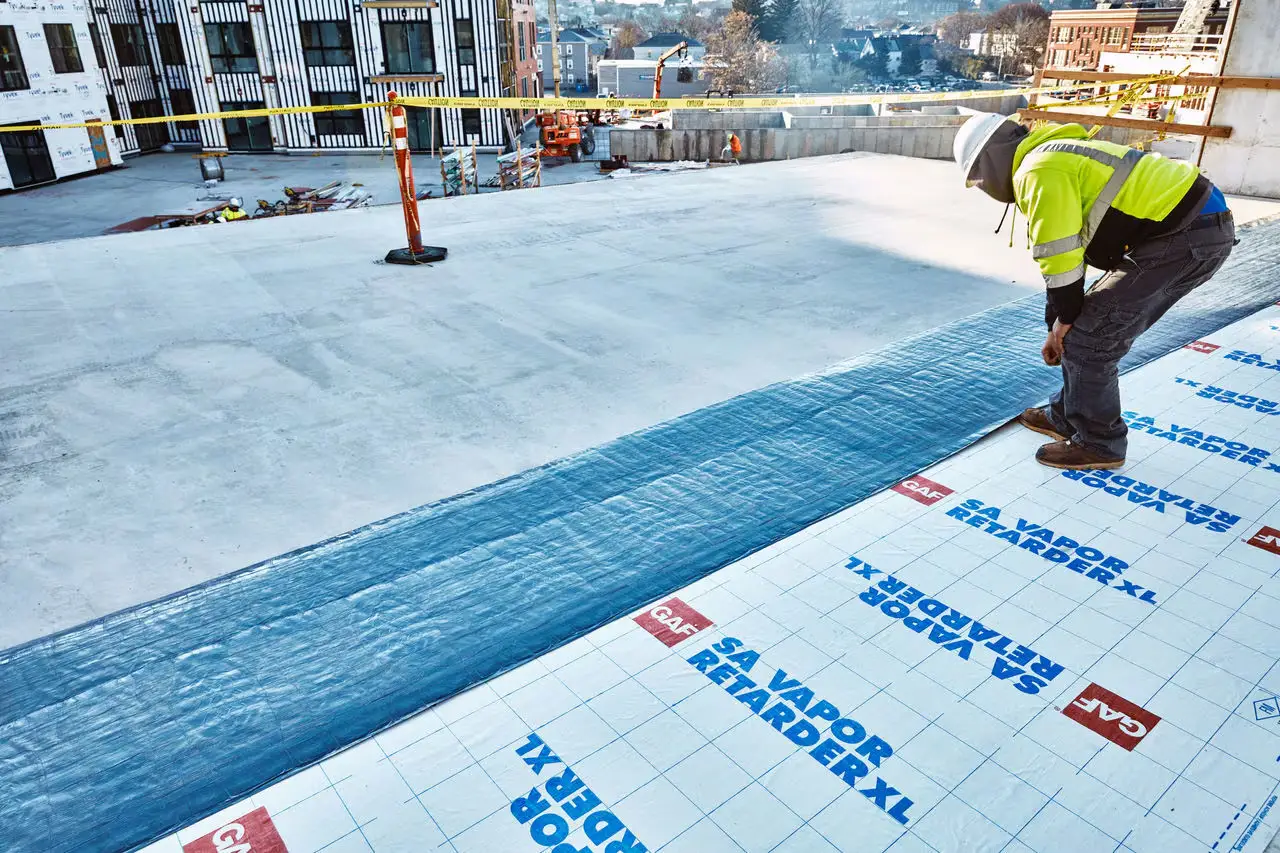
The single most reliable indicator of a commercial roofing contractor's quality is their manufacturer certification status. GAF, one of North America's largest roofing manufacturers, operates a tiered contractor certification program that evaluates licensing, insurance, installation quality, and ongoing training. The top tier of that program is GAF Master Elite certification, a designation held by fewer than two percent of roofing contractors in the United States.
GAF Master Elite contractors are the only roofers authorized to offer GAF's commercial warranty programs, including the most comprehensive coverage available for commercial roof systems. Those warranties cover both materials and workmanship, which means if the roof fails for any reason covered under the warranty, the resolution doesn't depend entirely on the contractor being available and cooperative years down the road.
For a commercial property owner in DFW, hiring a GAF Master Elite contractor is the clearest way to ensure the installation meets a verified standard rather than relying on a contractor's self-assessment of their own quality.
Red Phoenix Roofing is GAF Master Elite Certified, placing us among the top tier of roofing contractors operating in the Dallas-Fort Worth market.
2. Verifiable Local Presence and Track Record
The DFW commercial roofing market sees a significant volume of out-of-market contractors, particularly in the months following major storm events. These contractors may be technically capable, but their presence in the market is temporary. When a commercial roof fails two years after installation and the contractor who installed it is no longer operating in the area, the property owner bears that cost.
A contractor with a verifiable local presence has a permanent business address, a track record of completed commercial projects in the DFW area, and a reputation they're actively protecting. They're available for warranty service calls, supplemental repairs, and the ongoing relationship that commercial roofing often requires over the life of a building.
When evaluating a contractor's local presence, look for a registered business address in the DFW area, Google reviews that specifically mention commercial projects, verifiable project history in the market, and a team that is reachable during business hours without extended delays.
Red Phoenix Roofing is headquartered at 1348 U.S. 287 Bypass, Waxahachie, TX, and serves commercial clients across Ellis County and the broader DFW metroplex including Dallas, Fort Worth, Midlothian, Ennis, Mansfield, and surrounding communities.
3. Full Insurance and Proper Licensing
Commercial roofing projects carry significant liability exposure. Workers operating at height on commercial structures, the risk of property damage during installation, and the long-term liability for a roof system that protects a commercial building all require that a contractor carry adequate insurance.
At minimum, a qualified commercial roofing contractor should carry general liability insurance with limits appropriate for commercial work, workers' compensation coverage for all employees and subcontractors, and commercial auto coverage for vehicles used on the job. Request certificates of insurance directly from the contractor's insurer, not a copy from the contractor, and verify that coverage is current before work begins.
On licensing: Texas does not require a state-issued roofing license, but reputable commercial contractors typically hold general contractor licensing and are registered business entities with the Texas Secretary of State. Membership in industry organizations like the National Roofing Contractors Association (NRCA) or the Roofing Contractors Association of Texas (RCAT) indicates engagement with professional standards beyond the minimum.
4. Commercial-Specific Experience and System Knowledge
Ask any commercial roofing contractor you're evaluating to describe their experience with the specific roof system your building has or that you're considering. A contractor who can speak fluently about TPO membrane seaming techniques, low-slope drainage requirements, reflective coating applications, or the specific installation demands of a metal standing seam system is demonstrating real experience. A contractor who provides vague answers or pivots quickly to price is not.
Commercial roofing encompasses a wide range of system types, each with different installation requirements, performance characteristics, and maintenance needs. The most common systems in the DFW commercial market include:
TPO (Thermoplastic Polyolefin) is one of the most widely specified commercial roofing systems in Texas, performing well in high-heat conditions while delivering strong energy efficiency. Its heat-welded seams form a more consistent waterproof bond than older membrane technologies, and its reflective white surface lowers the building's cooling load, which translates into measurable energy savings. TPO also offers strong wind uplift resistance and a long service life when seam integrity is maintained. Red Phoenix installs and replaces TPO roofing systems throughout Dallas, Fort Worth, Waxahachie, Midlothian, Mansfield, Red Oak, Ennis, and the surrounding communities, and it remains one of our most requested commercial systems.
EPDM (Ethylene Propylene Diene Monomer) is a synthetic rubber membrane used extensively on flat and low-slope commercial buildings. It is durable and cost-effective but requires precise adhesive application and seam treatment during installation.
Modified bitumen systems consist of asphalt-based sheets that are torch-applied, cold-applied, or self-adhered to the roof deck. They are well-suited for the Texas climate and are commonly used in reroof applications over existing commercial buildings.
Metal roofing systems are increasingly popular for commercial applications in DFW, offering long service life, energy efficiency, and strong wind resistance. Standing seam metal roofs in particular require specialized installation training and equipment.
Built-up roofing (BUR) is a traditional multi-layer system consisting of alternating layers of bitumen and reinforcing fabric. It remains in use on many older commercial buildings in the DFW area and requires specific expertise for both new installation and repair.
A qualified commercial contractor should be able to assess which system is appropriate for your building's slope, drainage, use, and budget, and explain that recommendation clearly.
5. A Documented Process for Commercial Insurance Claims
Storm damage to commercial roofing in DFW is a significant and recurring issue. Hail, high winds, and the intense UV environment of North Texas all shorten commercial roof life and generate insurance claims that need to be managed carefully.
A contractor with genuine commercial insurance claim experience understands how commercial policies differ from residential coverage, how to document damage in the format adjusters and insurers require, how to submit and support supplemental claims when initial estimates are incomplete, and how to coordinate the repair or replacement timeline around occupied commercial buildings.
This expertise is not universal among commercial roofing contractors. Many are competent installers who have limited experience navigating the commercial claims process. The difference matters when a hailstorm damages your commercial property and you're working through a claim that could represent hundreds of thousands of dollars in covered work.
The Texas Department of Insurance provides resources for commercial property owners navigating storm damage claims, and property owners should familiarize themselves with their policy terms before a storm event rather than after.
6. Transparent Communication and Detailed Written Proposals
The proposal process for a commercial roofing project should be detailed, transparent, and specific. A qualified contractor provides a written scope of work that identifies the existing roof system, describes the proposed replacement or repair system in full, specifies materials by manufacturer and product line, outlines the installation sequence, addresses how the building will be protected during work, and itemizes the cost clearly.
Proposals that are vague on materials, silent on installation method, or structured primarily around total price are a warning sign. The specificity of a contractor's proposal is a direct indicator of how thoroughly they've assessed the project and how clearly they will communicate throughout construction.
Request references from completed commercial projects similar in scope to yours. A qualified contractor should be able to provide contact information for commercial property owners or facility managers who have worked with them directly.
7. Post-Installation Service and Maintenance Programs
A commercial roof is not a one-time transaction. It is a building system that requires periodic inspection, maintenance, and occasional repair over a service life measured in decades. A contractor who disappears after the final invoice is not the right long-term partner for a commercial property.
Look for contractors who offer documented maintenance programs, scheduled inspection services, and a clear process for handling warranty claims and post-installation repairs. The Building Owners and Managers Association (BOMA) recommends bi-annual professional roof inspections for commercial properties as a standard maintenance practice, and a contractor who can support that schedule provides ongoing value beyond the initial installation.
Commercial Roofing in DFW: What the Local Climate Demands
Dallas-Fort Worth presents a specific set of environmental demands that commercial roofing systems have to be designed for. The region's combination of intense summer heat, UV radiation, occasional severe hail, high winds, and periodic freeze-thaw cycles creates a more challenging environment than most of the United States.
Reflective roofing membranes and coatings reduce cooling load on commercial buildings during DFW summers, directly affecting operating costs. Proper drainage design is critical given the intensity of North Texas rainfall events. Wind uplift resistance is a factor in both material selection and installation method, particularly for low-slope membrane systems. And the clay-heavy soils of Ellis County and the southern DFW market create building movement that affects roofing system performance over time.
A contractor with genuine local experience understands these factors and incorporates them into system recommendations and installation practices. A contractor importing generic commercial roofing practices from other markets may deliver technically correct work that underperforms in the specific conditions of DFW.
Questions to Ask Before Hiring a Commercial Roofing Contractor in DFW
Before signing a contract for any commercial roofing project in the Dallas-Fort Worth area, work through these questions with every contractor you're evaluating:
Are you GAF Master Elite Certified or do you hold an equivalent top-tier manufacturer certification? Can you provide current certificates of insurance for general liability and workers' compensation? How many commercial roofing projects have you completed in the DFW area in the past three years? Can you provide references from commercial clients with similar project scope? What commercial roof systems do you install, and which would you recommend for this building and why? How do you handle warranty claims and post-installation service requests? What is your process for managing work around occupied commercial buildings? Do you assist with commercial insurance claims, and what does that process look like?
The answers to these questions reveal far more about a contractor's actual qualifications than any marketing material they provide.
Red Phoenix Roofing: Commercial Roofing Services Across DFW
Red Phoenix Roofing provides commercial roofing services for property owners, facility managers, and business owners across the Dallas-Fort Worth area, including Ellis County communities of Waxahachie, Midlothian, Red Oak, Ennis, and Mansfield, as well as the broader DFW metroplex.
Our commercial roofing services include full roof system replacement, storm damage repair and restoration, insurance claim support, roof inspections for purchase and lease transactions, and ongoing maintenance programs. As a GAF Master Elite Certified contractor, we install commercial roofing systems backed by the most comprehensive manufacturer warranties available, and our team brings the local experience and permanent DFW presence that a commercial roofing relationship requires.
Schedule A Complimentary Commercial Roof Assessment
Whether you're evaluating a roof replacement, dealing with storm damage, budgeting for capital improvements, or simply want a second opinion, Red Phoenix Roofing can help. Our commercial roofing team serves Dallas, Fort Worth, Waxahachie, Midlothian, Mansfield, Red Oak, Ennis, and the surrounding DFW market.
Request Your Free Roofing Inspection Today
Call:214-444-7772
Red Phoenix Roofing | 1348 U.S. 287 Bypass Suite 200, Waxahachie, TX 75165
Frequently Asked Questions: Commercial Roofing in DFW
How much does commercial roofing cost in the Dallas-Fort Worth area?
Commercial roofing costs in DFW vary significantly based on building size, roof system type, existing conditions, and scope of work. A basic TPO membrane replacement on a small commercial building may start around $8,000 to $12,000. Larger or more complex projects involving multiple roofing systems, significant decking repair, or specialized installation requirements scale substantially from there. A detailed inspection and written proposal from a qualified contractor is the only reliable way to establish accurate pricing for a specific building.
How long does a commercial roof last in Texas?
Commercial roof lifespan depends heavily on system type, installation quality, and maintenance history. TPO and EPDM membranes properly installed and maintained typically perform for 15 to 25 years in the Texas climate. Metal roofing systems can exceed 40 years with proper maintenance. Built-up and modified bitumen systems generally fall in the 15 to 20 year range. Regular inspections and timely minor repairs significantly extend service life regardless of system type.
Does my commercial property insurance cover roof replacement in Texas?
Most commercial property insurance policies cover storm damage to roofing systems, subject to deductibles and coverage terms. Texas commercial policies often include percentage-based wind and hail deductibles similar to residential policies. Coverage for wear and tear, improper installation, or maintenance-related failure is typically excluded. Reviewing your policy with your insurer or a licensed public adjuster before a storm event is the best way to understand your specific coverage.
How disruptive is a commercial roof replacement to building operations?
A qualified commercial contractor plans and sequences work specifically to minimize operational disruption. For occupied buildings, this typically involves phased work schedules, clear communication with building occupants, and protective measures for interior spaces during tear-off and installation. The specific disruption depends on building type, roof size, and system complexity. A detailed pre-construction plan from your contractor should address this specifically.
What is the best roofing system for a flat commercial roof in DFW?
For low-slope commercial roofs in the DFW area, TPO membranes are widely used and perform well given their reflectivity, seam strength, and compatibility with the Texas UV environment. EPDM and modified bitumen are also common and appropriate in many applications. The best system for a specific building depends on slope, drainage configuration, existing conditions, budget, and intended service life. A qualified contractor should assess these factors and provide a recommendation with supporting rationale.
Red Phoenix Roofing is a GAF Master Elite Certified contractor providing commercial and residential roofing services across Dallas-Fort Worth, including Waxahachie, Midlothian, Red Oak, Ennis, Mansfield, and Ellis County. Fully insured. Locally owned and operated.